Exterior Door Weatherstripping & Draft Elimination | Houston
An exterior door frame is a dynamic architectural boundary point, managing massive environmental differences between your conditioned living space and the heavy Gulf Coast atmosphere. When components degrade, the structural interface surrounding sliding units becomes highly vulnerable to air and moisture movement. Our professional door weatherstripping insulation options are engineered precisely to stop this exchange, sealing critical junctions to protect your home from high energy loss, persistent drafts, structural rot, and unwanted pest entry pathways.
Southeast Texas environmental pressures place extreme structural loads on door seal assemblies year-round. Sustained outdoor relative humidity often exceeding 90% combined with regular 95°F+ summer high temperatures creates a major vapor pressure imbalance across the building envelope. As your indoor air conditioning system lowers temperatures and dries out the air inside, hot, saturated air from the outside continuously attempts to force its way through any available gap. This mechanical pressure quickly degrades standard foam products, causing them to flatten, rot, or detach entirely. This opens a continuous line for heavy air exchange, straining your HVAC system and raising monthly utility expenses.
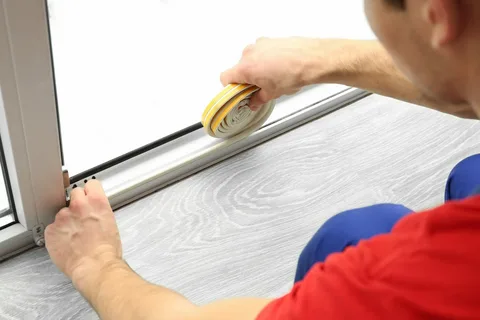
Figure 1: Worn interlocking seals along sliding door assemblies create a direct thermal short circuit, allowing heavy coastal humidity to penetrate the home.
The Failure Mechanics of Worn Weatherproofing Seals
Weather seal failure along external entrances shows up in three distinct ways, each requiring a specialized diagnostic repair approach rather than a quick surface fix.
- Convective Heat Gain & Heavy Gaps: When an interlocking seal or vinyl fin breaks down, external wind pressure forces warm air straight through the margins. This shows up as noticeable hot spots near your tracks, a continuous draft around the perimeter of the frames, and an air conditioning system that operates much longer than necessary to hold a comfortable thermostat level. This is the underlying cause behind most door draft elimination Houston service calls we handle.
- Moisture Tracking & Frame Degradation: Houston’s severe driving rainstorms push bulk water flat against exterior panels. If your perimeter barriers or bottom sweeps are cracked, water runs along the inner track channels and tracks behind baseboards. This hidden water intrusion causes subfloor rot, drywall staining, and structural framing deterioration long before any water is noticed inside the room.
- Pest and Insect Access Lines: Worn out bottom sweeps and missing track corner pads create ideal access points for crawling insects. Common local pests, including ants and roaches, only need a gap of a fraction of an inch underneath a patio assembly to bypass your door boundaries entirely.
Why Generic Overlays Fail on Sliding Glass Assemblies
Traditional entry doors compress a seal straight down into the jamb, but sliding glass door units operate on a horizontal plane, sliding right past each other. This motion means they rely on specialized interlocking meeting stiles and sliding brush piles rather than simple compression foam. If a generic foam tape is forced into these narrow clearance points, it creates heavy frictional resistance. This extra drag strains your glass handle assemblies, deforms your bottom brass rollers, and shears the adhesive seal right off the frame. Proper sliding door weatherstripping must be precision-slid into the frame’s structural factory channels to ensure a smooth glide and a tight seal.
Comparing High-Performance Weather Seal Technologies
| Insulation Product Type | Material Elasticity Profile | Primary Operational Benefit |
|---|---|---|
| Solid Silicone & EPDM Rubber Bulbs | Maximum Performance (Class A) | Retains its original shape flawlessly over thousands of closing cycles. Does not crack or dry-rot when exposed to intense UV rays on south-facing patio walls. |
| Fin-Reinforced Polypropylene Pile | High (Designed for Sliding Units) | Features a solid plastic interior fin surrounded by dense brush pile. Provides complete draft protection along interlocking stiles without binding the rollers. |
| Open-Cell Polyurethane Foam Tape | Low (Temporary DIY Grade) | Absorbs humidity from the air, flattens permanently under light usage, and degrades quickly in warm climates, leaving a sticky residue behind. |
Our Professional Door Weatherstripping Repair Process
Every restoration project we take on follows a precise technical workflow to ensure absolute performance and durability under local climate stresses.
Structural Alignment Inspection
Our process begins by inspecting the squareness of the door within its opening. If a heavy sliding glass pane sags because of worn out or rusted roller bearings, it leaves a wedge-shaped gap at the top corner that new weatherproofing cannot seal on its own. Re-leveling the door panel always comes before installing the final seal.
Channel Extraction & Mechanical Cleaning
All hardened vinyl, torn pile fibers, and old adhesive residues are thoroughly cleared out of the built-in aluminum T-slots. We clean the frame channels completely so the replacement product can sit perfectly flat and form a true barrier.
Custom Sweep & Profile Installation
We install high-grade, dual-durometer vinyl bottom sweeps and pile lines that match your door brand’s exact specifications. This ensures the correct contact pressure against thresholds to block moisture and pests while keeping friction minimal for an easy glide.
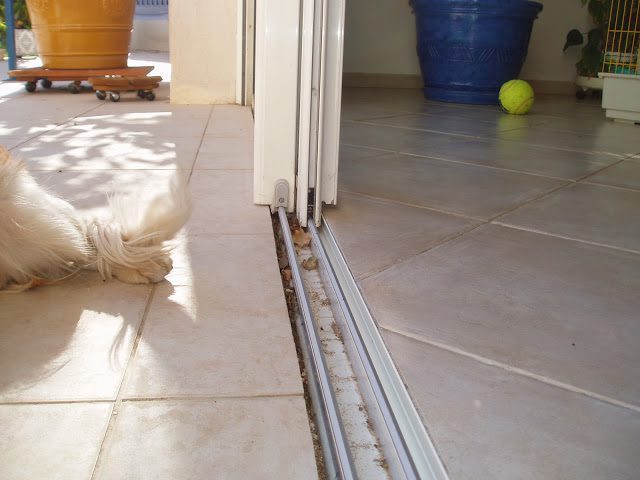
Figure 2: Custom bottom sweeps must make uniform contact across the threshold to seal out driving rain without creating excessive frictional drag.
Stabilizing Your Thermal Envelope and Cutting Energy Loss
Sealing open air gaps has a direct, positive effect on how your home manages energy. Every open space around a patio entrance allows hot, humid air to enter your home unchecked, forcing your cooling equipment to run longer cycles to handle the moisture load. Professional exterior door weatherstripping stops this loss at the source.
The performance returns show up throughout your property. Indoor humidity control becomes much easier, removing that sticky feeling common in homes with failing porch seals. Shorter HVAC cooling runtimes reduce mechanical wear on your compressors and fan motors, extending their service life. Most importantly, sealing these edges stops rain from tracking into your walls, protecting your baseboards and subfloors from mold and structural decay.
Frequently Asked Questions About Door Weatherstripping Repair
What are the main indicators that my sliding door weatherstripping needs replacement?
The clearest signs include feeling heat or a draft near the frame, seeing flattened or missing brush pile along the center interlock, finding moisture inside the track after heavy rain, or noticing insects consistently getting past a closed door. If your current vinyl seals feel stiff or brittle when touched, they have lost their flexibility and need to be replaced.
How long do professional exterior door weatherstripping products last in Houston?
While hardware-store foam tapes often give out within a year, commercial-grade EPDM rubber bulbs and fin-reinforced pile seals usually last between 5 and 7 years. Longevity depends on your door’s daily usage levels and how much direct afternoon sun hits the glass.
Can a worn out bottom sweep cause damage to my track channels?
Yes. When a bottom sweep tears away completely, it allows dirt, grit, and windblown sand to pack tightly into the bottom channels. As the heavy glass pane slides over this debris, the rollers grind the grit into the metal track, leading to deep scratches, flat spots on your rollers, and a rough, noisy operation.
Is it necessary to remove the entire door panel for a door weatherstripping repair?
For simple vertical side jambs, the panels can usually stay in place. However, replacing the internal interlocking stile pile or the bottom sweeps on sliding glass doors safely requires unlatching and lifting the heavy glass panels out of the frame. This step is necessary to clear out the factory retention channels properly.