

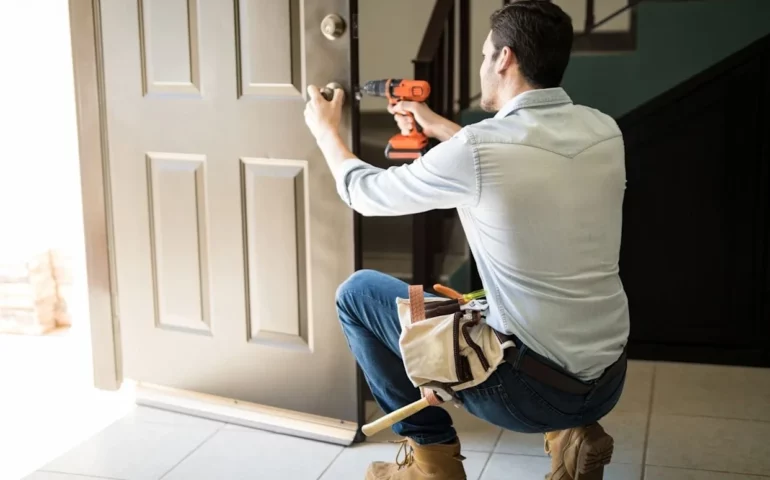
Standing on your own front porch, jiggling a key that just will not turn, is one of those specific kinds of frustration that hits harder than it should. Maybe you are exhausted after a long shift and just want to get inside. Maybe the kids are with you, tired and asking why the door will not open. Maybe it is already dark, and every minute spent fumbling with a stuck lock feels like a minute too many standing outside your own home.
Take a breath. A jammed or stubborn front door lock is one of the most common hardware issues homeowners across the Greater Houston area deal with, and in a large number of cases, it is fixable without a locksmith, a new lockset, or a stressful emergency call.
This guide walks through exactly why front door locks fail so often in Southeast Texas specifically, how the internal mechanics of a lock actually work, and how to diagnose your particular problem step by step. You will learn safe, effective troubleshooting techniques you can try right now, what to do if you own premium hardware like a Baldwin lockset, and how to recognize the point where a repair is no longer enough and full replacement becomes the smarter, safer choice.
Whether you are dealing with a key that will not turn, a latch that refuses to retract, or a door that only locks properly when it is standing wide open, there is a clear explanation and a clear path forward. Let’s get your front door lock repair sorted out.
Why Do Front Door Locks Fail in Houston?
Front door locks do not fail randomly. In Houston specifically, three environmental forces work together relentlessly against your hardware, and understanding them changes how you approach the fix.
Shifting Active Clay Soils
Southeast Texas sits on some of the most notoriously active clay soil in the country. This soil expands dramatically when saturated with rainwater and contracts just as dramatically during dry spells, and that constant swelling and shrinking transmits directly into the foundations of homes throughout Spring, Katy, Cypress, Sugar Land, and South Houston.
As a foundation shifts, even by a fraction of an inch, the entire door frame shifts along with it. A door that once closed perfectly can gradually develop a latch that no longer lines up with its strike plate. This misalignment is one of the single most common reasons a lock that used to work flawlessly suddenly starts jamming, sticking, or refusing to fully engage.
Intense Humidity and Saltwater Air
Houston’s proximity to the Gulf Coast means the air carries persistent, heavy humidity, along with trace amounts of salt in areas closer to the coastline. Both of these factors accelerate internal oxidation inside a lock’s cylinder chamber.
Over time, moisture works its way into the tiny gaps between cylinder pins, springs, and the plug itself. Corrosion builds up gradually on these internal components, and what starts as a slightly stiffer key turn eventually becomes a lock that grinds, resists, or seizes entirely.
Thermal Expansion During Texas Summers
When outdoor temperatures climb past 100 degrees Fahrenheit for weeks at a stretch, both wooden and metal doors respond to that heat. Wood swells as it absorbs ambient humidity and heat. Metal door slabs and frames expand slightly as the material heats up throughout the day.
This thermal expansion, even though it is subtle, is often enough to throw off the precise alignment a latch bolt needs to slide cleanly into its strike plate. A door that locks perfectly in the cooler months of a Houston winter might suddenly resist locking altogether during a July heatwave, purely because the slab has expanded just enough to bind against the frame.
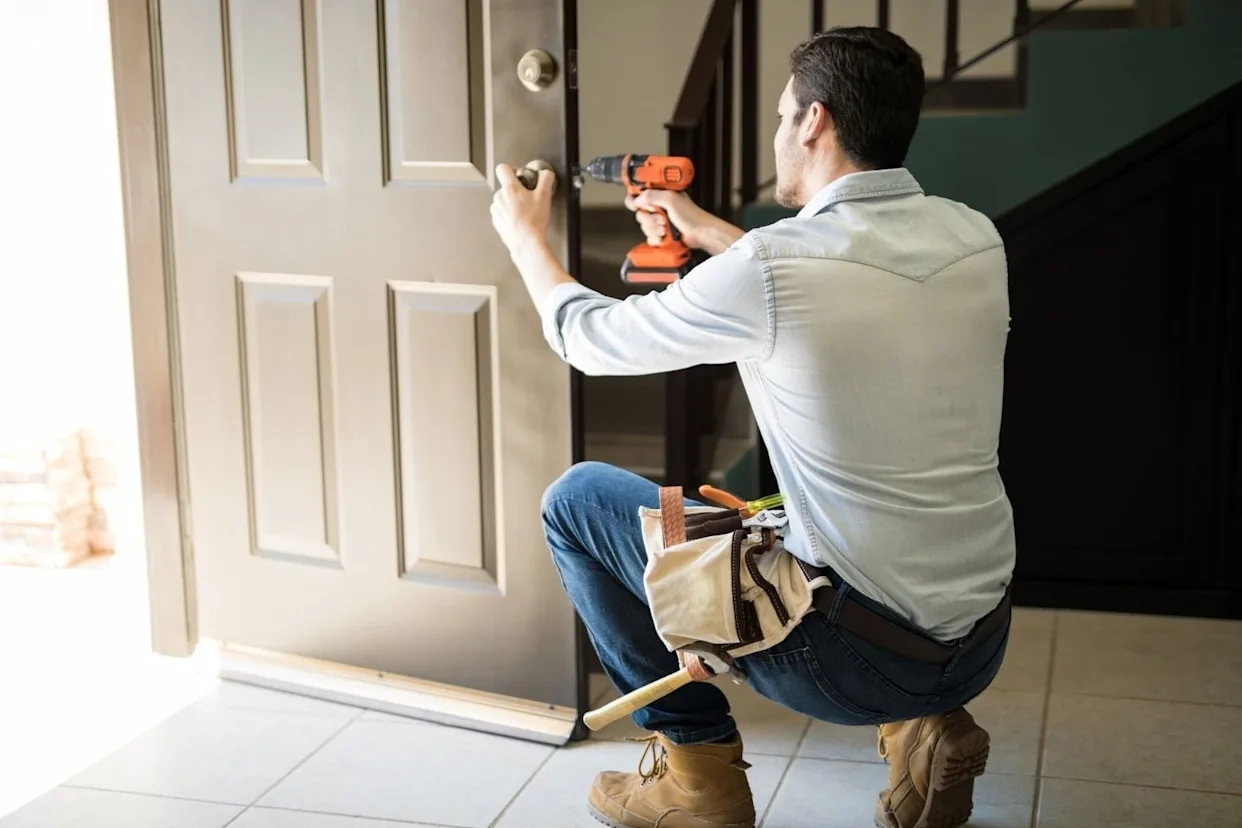
A wide shot of a Houston area home’s front door showing slight visible gaps around the frame where the door has shifted out of alignment.
Anatomy of a Front Door Lock
Understanding what is actually happening inside your lock makes diagnosing the problem far less intimidating.
The Standard Deadbolt
A deadbolt is built around a cylindrical plug that sits inside an outer housing. When you insert the correct key, it pushes a series of spring loaded pins up to precisely the right height, aligning them along what locksmiths call the shear line, the exact gap between the plug and the outer cylinder housing. Once every pin sits flush at that shear line, the plug is free to rotate, and that rotation drives a cam that extends or retracts the bolt itself.
The Entry Lockset
A standard entry lockset combines a locking mechanism with a spring loaded latch bolt, the angled piece that allows the door to close and catch even when unlocked. Turning the interior thumb turn or exterior key rotates an internal spindle, which retracts the latch bolt so the door can swing open freely.
High-End Hardware: Baldwin and Similar Premium Brands
Premium manufacturers like Baldwin build their locksets using solid brass components throughout, rather than the lighter weight alloys found in many big box store options. These locks typically feature more refined internal spring cassettes and tighter machining tolerances, which is part of why they feel noticeably smoother and more substantial to operate. That precision, however, also means these locks are considerably less forgiving of improper disassembly or incorrect lubrication, a topic we will cover in detail further down.
The Core Components Working Together
Regardless of brand, nearly every residential lock relies on the same core components working in harmony:
- The cylinder, which houses the pins and springs
- The plug, the rotating core that the key directly interacts with
- The pins, small metal pieces of varying length that must align precisely with your specific key
- The springs, which push the pins back down when no key, or the wrong key, is inserted
- The latch bolt assembly, the mechanical piece that actually extends into the door frame to keep the door closed and secure
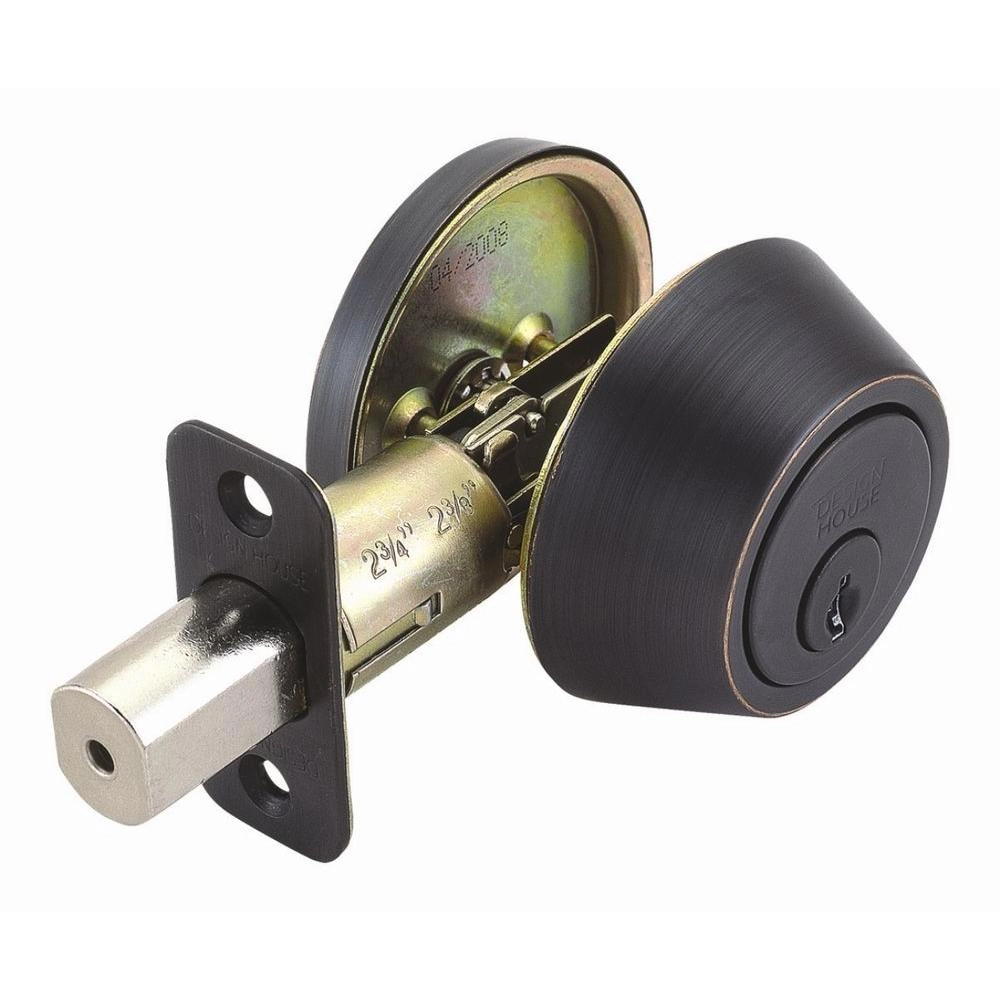
A close-up diagram of a deadbolt cylinder with the key turning the brass pins.
Diagnostics: Why Is Your Front Door Lock Actually Stuck?
Before attempting any repair front door lock work, it helps enormously to identify exactly which failure pattern you are dealing with. Each scenario points toward a different root cause.
Scenario A: Key Goes In But Will Not Turn
If your key inserts smoothly but simply refuses to rotate, the problem is almost always inside the cylinder itself. This typically points toward one of a few possibilities: internal corrosion preventing the pins from moving freely, a worn or damaged key that no longer aligns the pins correctly at the shear line, or accumulated debris and dried lubricant gumming up the pin chambers.
Scenario B: Key Turns But the Latch Does Not Retract
This is a mechanically distinct problem from Scenario A, and it usually means the cylinder itself is functioning correctly, but something has failed further along the mechanism. A broken tailpiece, the small connecting piece that transfers rotational force from the cylinder to the latch mechanism, is a common culprit. Internal spindle failure, where the connecting rod between the exterior and interior mechanisms has sheared or slipped, is another frequent cause, particularly in older locksets that have seen years of daily use.
Scenario C: Lock Works When the Door Is Open, But Jams When the Door Is Closed
This pattern points almost exclusively toward misalignment rather than an internal lock failure. If the deadbolt or latch operates smoothly with the door standing open but grinds, sticks, or refuses to fully extend once the door is closed, the strike plate on the frame is very likely no longer lined up correctly with the bolt. Given everything discussed earlier about Houston’s active clay soils and seasonal thermal expansion, this is an extremely common scenario throughout the region.
Step-by-Step Fixes for a Jammed Lock (The DIY Checklist)
Many stuck lock situations can be resolved safely without professional intervention. Here is how to work through the process methodically.
- Apply the right lubricant, and never the wrong one.
Dry graphite powder or a Teflon based lubricant designed specifically for locks is the correct choice for internal cylinder mechanisms. These products lubricate pins and springs without leaving behind a sticky residue that attracts dust and debris over time.
Avoid WD-40 inside a lock cylinder entirely. While it feels like an obvious quick fix, WD-40 is a solvent based product that displaces existing lubricant and dries out over a fairly short period, often leaving the internal pins tackier and more prone to sticking than before treatment. It also tends to attract and trap dust, compounding the problem within weeks rather than solving it.
- Perform a visual alignment check on the strike plate.
Open the door and examine where the latch bolt or deadbolt meets the strike plate mounted on the frame. Look for visible gouging, scraping marks, or a latch that clearly does not line up centered within the strike plate opening. If you notice the bolt catching high, low, or to one side, this confirms a strike plate alignment issue rather than an internal lock failure.
- Tighten loose mounting screws to correct sag.
Over years of daily use, the screws holding hinges and strike plates in place can loosen gradually, allowing the door itself to sag slightly on its hinges. This subtle sag is often enough to throw off precise alignment. Tightening these screws, and in some cases replacing shorter screws with longer ones that reach deeper into the frame’s structural stud, can resolve alignment problems without any further hardware changes.
- Clear debris or broken key fragments.
If a key has ever snapped inside the cylinder, or if dust, dirt, or insect debris has accumulated inside the keyway over time, this can physically block the pins from moving correctly. A careful visual inspection with a flashlight often reveals the obstruction.
- Consider whether weatherstripping or frame issues are contributing.
Sometimes what looks like a lock problem is actually related to the surrounding door seal pushing the slab out of its natural resting position against the frame. If your door also feels drafty or difficult to close smoothly even before you attempt to lock it, professional door weatherstripping installation may resolve both the draft and the alignment issue at the same time.
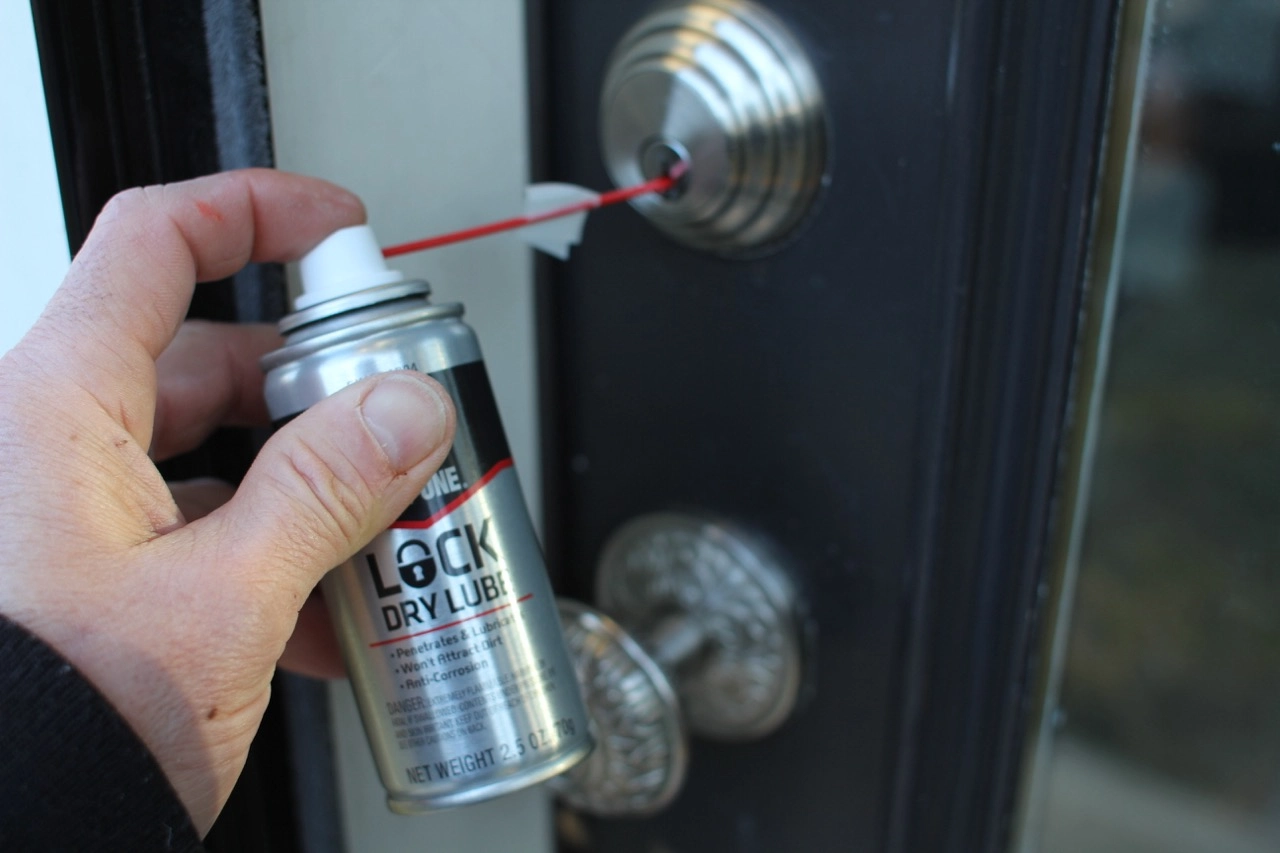
A homeowner applying dry graphite lubricant into a front door lock keyway using a small applicator tube.
Dealing with High-End Hardware (Focusing on Baldwin Front Door Lock Repair)
If your home features premium solid brass hardware, particularly from a manufacturer like Baldwin, a slightly more cautious approach is warranted.
Baldwin locksets are built with heavier internal components and more precisely machined tolerances than many mass market alternatives. This precision is part of what makes them feel so solid in daily use, but it also means the internal spring cassettes and pin stacks are considerably less tolerant of improper handling.
Attempting to fully disassemble a Baldwin front door lock repair without the correct specialty tools risks two specific outcomes homeowners should be aware of. First, the finish, often a plated or hand applied patina finish that gives these locks their distinctive look, can be scratched or worn away permanently during improper handling. Second, the internal spring cassette, a sealed component that houses the pin springs under precise tension, can be damaged or misaligned if forced open incorrectly, sometimes requiring full replacement of the cylinder rather than a simple repair.
For basic external lubrication and strike plate alignment checks, the same safe techniques outlined above apply equally well to premium hardware. For anything involving actual disassembly of the cylinder itself on high-end locksets, professional service protects both the mechanical integrity and the cosmetic finish of an investment that was not inexpensive to begin with.
Security and Safety Realities
A front door lock that only partially functions is not simply an inconvenience. It carries real security and safety implications that deserve honest attention.
From a home security standpoint, a lock that requires excessive force, jiggling, or repeated attempts to engage fully is a lock that may not be providing the level of security it appears to. A deadbolt that looks locked from a quick glance but has not actually seated fully into the strike plate offers dramatically less resistance against forced entry than a properly functioning one.
From a safety standpoint, a lock that jams or sticks also creates a genuine risk during an emergency egress situation, such as a house fire, where every second spent struggling with a stuck mechanism matters enormously.
There are clear signs that indicate a lock has moved past the point of simple repair and needs full replacement:
- Visible cracking or corrosion damage to the cylinder housing itself
- A key that turns freely with no resistance at all, suggesting internal pin or spring failure
- A latch bolt that has visibly bent or worn down unevenly
- Persistent jamming that continues even after lubrication and strike plate alignment have been addressed
If you notice any of these signs, continuing to rely on that lock is not a reasonable long term solution, even if it technically still functions some of the time.
Comprehensive FAQ
How often should I lubricate my front door locks?
For most Houston area homes, applying dry graphite or Teflon based lock lubricant once or twice a year provides solid ongoing protection against the humidity related corrosion discussed earlier in this guide. Homes closer to the coast, or those experiencing particularly humid seasons, may benefit from lubrication slightly more frequently.
Can extreme heat make my door hard to lock?
Yes, absolutely. As explained in the thermal expansion section above, sustained high temperatures cause both wooden and metal door slabs to expand slightly, which can throw off the precise alignment a latch bolt needs to slide cleanly into its strike plate. If your door only seems to jam during the hottest months of summer, thermal expansion combined with existing minor misalignment is very likely the cause.
What should I do if my key snaps off inside the deadbolt?
First, resist the urge to keep inserting or turning anything further, since this can push the broken fragment deeper into the cylinder. A pair of fine tipped needle nose pliers can sometimes extract a visible fragment carefully. If the broken piece is not easily visible or graspable, this is a situation where professional extraction tools designed specifically for this purpose will prevent further internal damage to the cylinder.
Is it better to rekey a lock or buy a brand new lockset?
This depends heavily on the condition of your existing hardware. If the mechanical components are still in solid working order and you simply need a new key configuration, perhaps after a move, a lost key, or a tenant turnover, rekeying is typically the faster and more economical choice. If the lock is showing the wear signs described in the security section above, cylinder corrosion, worn latch bolts, or persistent jamming that lubrication and alignment fixes cannot resolve, a full lockset replacement is generally the wiser long term investment rather than repeatedly rekeying hardware that is already failing mechanically.
A Reassuring Word, and How We Can Help
Dealing with a stuck or malfunctioning front door lock is stressful, but it is also one of the more manageable home repair situations you are likely to face. In many cases, a bit of proper lubrication, a careful strike plate alignment check, and some patience will get your door locking smoothly again the same day. When the problem runs deeper, whether that means a genuinely corroded cylinder, a damaged premium lockset, or a frame that has shifted enough to need professional realignment, there is no shame in bringing in an expert rather than risking further damage to hardware that protects your family every night.
While you are addressing your front door, it is also worth a quick check of any nearby window screens or sliding doors for similar wear and tear. If you notice torn mesh or gaps around adjacent openings, professional window screen repair can round out your home’s overall security picture at the same time.
If you are searching for front door lock repair near me and want a team that understands the specific challenges Houston’s climate and shifting soil create for home hardware, Windows and Doors Repair LLC is ready to help. Whether you need a simple alignment fix, a full lockset replacement, or emergency support for a lock that has failed completely, reach out and let a local, experienced team get your front door secure again.
